
A free, self-hosted AI studio with 200+ unfiltered
Open Sourceaivideoimageself-hosted
Free
Video & Animation
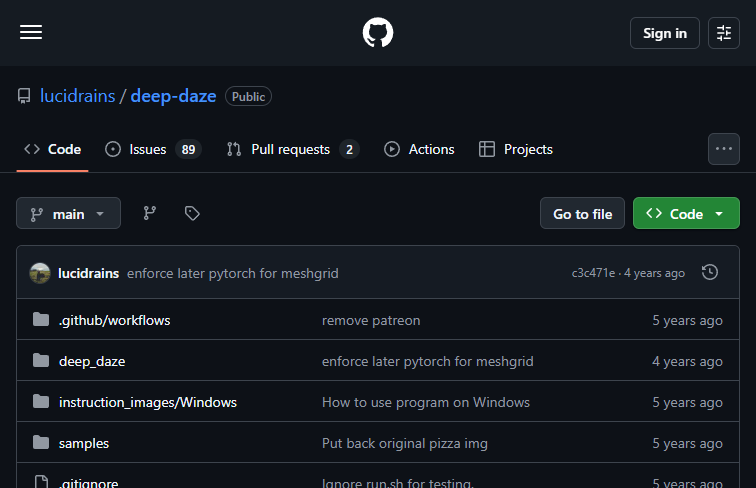
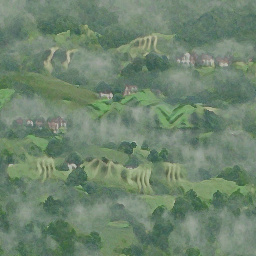
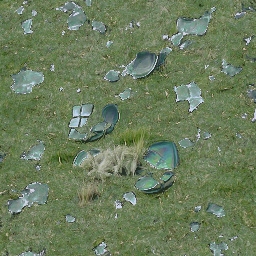
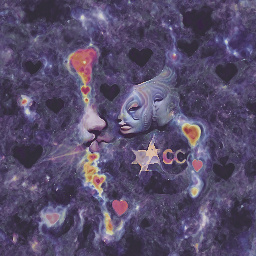
Deep Daze is a powerful, open-source text-to-image generation tool that allows developers, researchers, and digital artists to transform descriptive text prompts into compelling visual artwork. Built entirely in PyTorch and leveraging the robust capabilities of OpenAI's CLIP (Contrastive Language-Image Pretraining) architecture, Deep Daze operates as a bridge between natural language understanding and visual creation. Unlike many proprietary platforms that restrict access behind closed Application Programming Interfaces (APIs) and paywalls, Deep Daze offers an entirely free, transparent, and community-driven alternative hosted on GitHub. This makes it an exceptional utility for those who prefer to run machine learning models locally, tinker with multimodal AI architectures, and maintain full ownership of their generative processes. The primary appeal of Deep Daze lies in its streamlined, command-line interface. Designed for efficiency and simplicity, the CLI allows users to input descriptive phrases and rapidly generate corresponding images without the need for a complex graphical user interface. This straightforward approach is particularly beneficial for rapid prototyping. For instance, a designer can quickly mock up visual concepts based on textual ideas, or a machine learning engineer can generate synthetic datasets to train other computer vision models. However, it is important to note the hardware requirements associated with this tool. Because it relies on deep neural networks to evaluate and iteratively generate images that match the provided text, Deep Daze can be highly computationally intensive. To achieve efficient processing and reasonable generation times, a capable Graphics Processing Unit (GPU) is strongly recommended. Running the model on standard central processing units will work, but the performance hit will be significant, leading to long wait times for output. Despite this hardware barrier, the core benefits of Deep Daze are undeniable. The active development and strong open-source community support ensure that the underlying PyTorch implementation remains updated and accessible to modern workflows. By utilizing the CLIP architecture, the model demonstrates a remarkable nuanced understanding of complex language prompts, translating abstract concepts into cohesive visual representations. Whether you are an AI hobbyist eager to experiment with the frontiers of multimodal models, a developer looking to integrate text-to-image capabilities into your own software, or a creator exploring new mediums of algorithmic art, Deep Daze provides a highly capable and completely free framework. Ultimately, it demystifies the text-to-image generation process, placing the raw power of advanced neural networks directly into the hands of the users through a simple, text-based terminal environment.
 Screenshot
 image
image
 image
image
 image
image
Deep Daze is completely free and open-source under the MIT license.
Summarized from the official site: https://github.com/lucidrains/deep-daze
Yes, Deep Daze is a completely free and open-source tool. It is hosted on GitHub, offering a transparent, community-driven alternative to proprietary platforms that use paywalls.
Deep Daze is a text-to-image generation tool that transforms descriptive text prompts into visual artwork. It is built entirely in PyTorch and leverages OpenAI's CLIP architecture to bridge natural language understanding and visual creation.
No, Deep Daze operates through a streamlined command-line interface (CLI). This straightforward approach is designed for efficiency, allowing users to rapidly generate images without needing a complex GUI.
A capable Graphics Processing Unit (GPU) is strongly recommended to achieve efficient processing and reasonable generation times. While the model will run on standard central processing units, the performance hit is significant and leads to long wait times.
Deep Daze is used for transforming text into visual artwork, which is highly beneficial for rapid prototyping. For instance, designers can quickly mock up visual concepts, and machine learning engineers can generate synthetic datasets to train other computer vision models.
A free, self-hosted AI studio with 200+ unfiltered

Optimize and secure AI coding agents with this ope

Generate highly realistic AI images from text with

Midjourney is an AI-powered image generation tool for creating stunning visuals from text prompts.