
A free, self-hosted AI studio with 200+ unfiltered
Open Sourceaivideoimageself-hosted
Free
Video & Animation
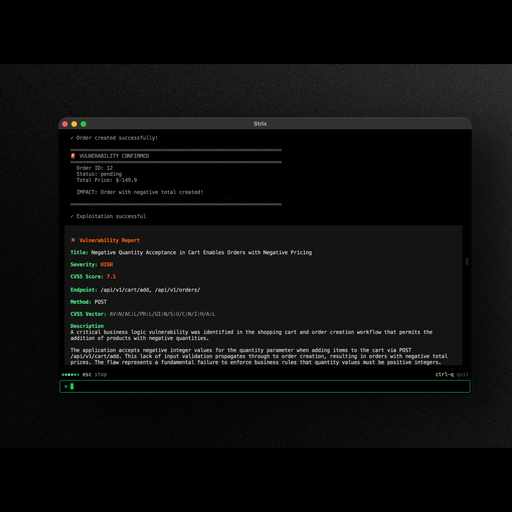
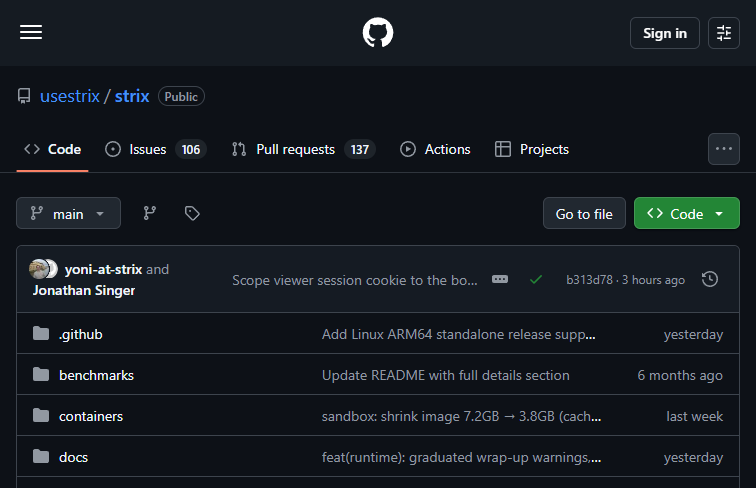
In the modern software development lifecycle, security auditing is no longer an afterthought but a strict necessity. Strix emerges as a powerful ally in this domain, offering an open-source, AI-powered vulnerability detection and penetration testing framework. Hosted on GitHub, this Python-based tool has rapidly garnered massive community support, evidenced by its impressive repository of over 45,000 stars. Designed to bridge the gap between traditional application security auditing and modern artificial intelligence, Strix provides developers and security researchers with an automated approach to identifying and resolving potential flaws in web applications.
Strix is specifically tailored for development teams looking to automate their penetration testing workflows, as well as security researchers dedicated to discovering intricate application vulnerabilities. By leveraging advanced AI algorithms, the platform enhances the efficiency and accuracy of security testing. It simulates the methodologies of a seasoned penetration tester, automating the tedious aspects of vulnerability scanning. This allows teams to conduct comprehensive security audits before deployment, ensuring that vulnerabilities are caught and patched early in the development process. Its core strength lies in its ability to seamlessly integrate AI to assess application security, reducing the manual overhead typically required for thorough penetration testing.
One of the most compelling aspects of Strix is its accessibility; the framework is completely free to use and modify. Because it is open-source, organizations and independent developers can tailor the tool to fit their specific security infrastructures without worrying about expensive licensing fees. However, it is important to note that Strix is not a plug-and-play solution for novices. To utilize the framework effectively, users must possess a solid foundation in Python programming and a working knowledge of penetration testing concepts. This technical requirement ensures that operators can accurately interpret the AI-generated findings and safely execute complex security assessments. Ultimately, Strix stands out as an indispensable developer tool for tech-savvy teams aiming to fortify their web applications against emerging threats while leveraging the collaborative power of the open-source community.
 Screenshot
 image
image
 image
image
 image
image
Strix is completely free and open-source.
Summarized from the official site: https://github.com/usestrix/strix
Yes, Strix is completely free and open-source, allowing organizations and developers to use and modify the tool without expensive licensing fees.
Strix is an open-source, AI-powered vulnerability detection and automated penetration testing framework built in Python. It is designed to help development teams and security researchers identify and resolve potential flaws in web applications.
No, Strix is not a plug-and-play solution for novices. Users must possess a solid foundation in Python programming and a working knowledge of penetration testing concepts to utilize it effectively.
Strix is a Python-based framework. This requires users to have a solid foundation in Python programming to effectively operate the tool and interpret its AI-generated findings.
A free, self-hosted AI studio with 200+ unfiltered

Objective, community-driven leaderboard for text-t

Optimize and secure AI coding agents with this ope

Generate highly realistic AI images from text with