

A free, self-hosted AI studio with 200+ unfiltered
Open Sourceaivideoimageself-hosted
Free
Video & Animation
Wan2.2 is a highly anticipated, open-source AI video generation model that has rapidly captured the attention of the generative AI community. Hosted on GitHub, this powerful Python implementation provides developers, researchers, and digital creators with access to an advanced large-scale video generative architecture. At its core, Wan2.2 is designed to translate text descriptions into compelling, high-quality visual narratives, marking a significant milestone in the democratization of video generation technology. Unlike many proprietary platforms hidden behind paywalls and restrictive APIs, Wan2.2 offers a fully transparent and accessible framework. This allows technical users to delve into the underlying code, fine-tune the model for specific creative workflows, and integrate its capabilities directly into their own custom applications. The primary use cases for Wan2.2 are as diverse as they are impactful. Digital marketers and content creators can leverage the model to produce striking visual assets for digital campaigns, bringing their conceptual ideas to life without the need for expensive live-action film shoots. Simultaneously, the tool serves as an invaluable asset for academic and technical research. By open-sourcing such an advanced generative architecture, the creators of Wan2.2 enable AI researchers to study, modify, and push the boundaries of what is possible in text-to-video synthesis. The process of using Wan2.2 relies heavily on its robust technical foundation. As an open-source Python project, it requires users to possess a certain degree of technical proficiency to set up and operate effectively. However, the trade-off for this technical barrier to entry is unparalleled control over the creative and generative process. The main drawback of Wan2.2 is its demanding hardware requirements. Because it is built upon advanced large-scale generative models, running the software effectively—especially for high-resolution or lengthy video outputs—demands significant computational resources. Users will need access to high-end GPUs to achieve optimal performance and reasonable rendering times, making it potentially inaccessible for hobbyists or small studios without dedicated hardware. Despite these infrastructure requirements, Wan2.2 remains a groundbreaking tool. With an impressive number of stars on GitHub reflecting its widespread adoption and active community support, it stands out as a premier solution for anyone serious about exploring the cutting edge of open-source AI video generation. It successfully bridges the gap between high-level academic research and practical, campaign-ready digital asset production.
 image
image
 image
image
 image
image
The model is freely available as an open-source project on GitHub.
Summarized from the official site: https://github.com/Wan-Video/Wan2.2
Yes, Wan2.2 is a fully transparent and accessible open-source AI video generation model hosted on GitHub. It allows developers and researchers to delve into the underlying code, fine-tune the model, and integrate it into custom applications.
Yes, the model is freely available as open-source software. Unlike proprietary platforms hidden behind paywalls, it offers its advanced framework at no cost.
Wan2.2 is an open-source Python implementation and large-scale AI video generation model. It is designed to translate text descriptions into compelling, high-quality visual narratives.
Yes, digital marketers can use Wan2.2 to produce striking visual assets for digital campaigns. This allows creators to bring conceptual ideas to life without the need for expensive live-action film shoots.
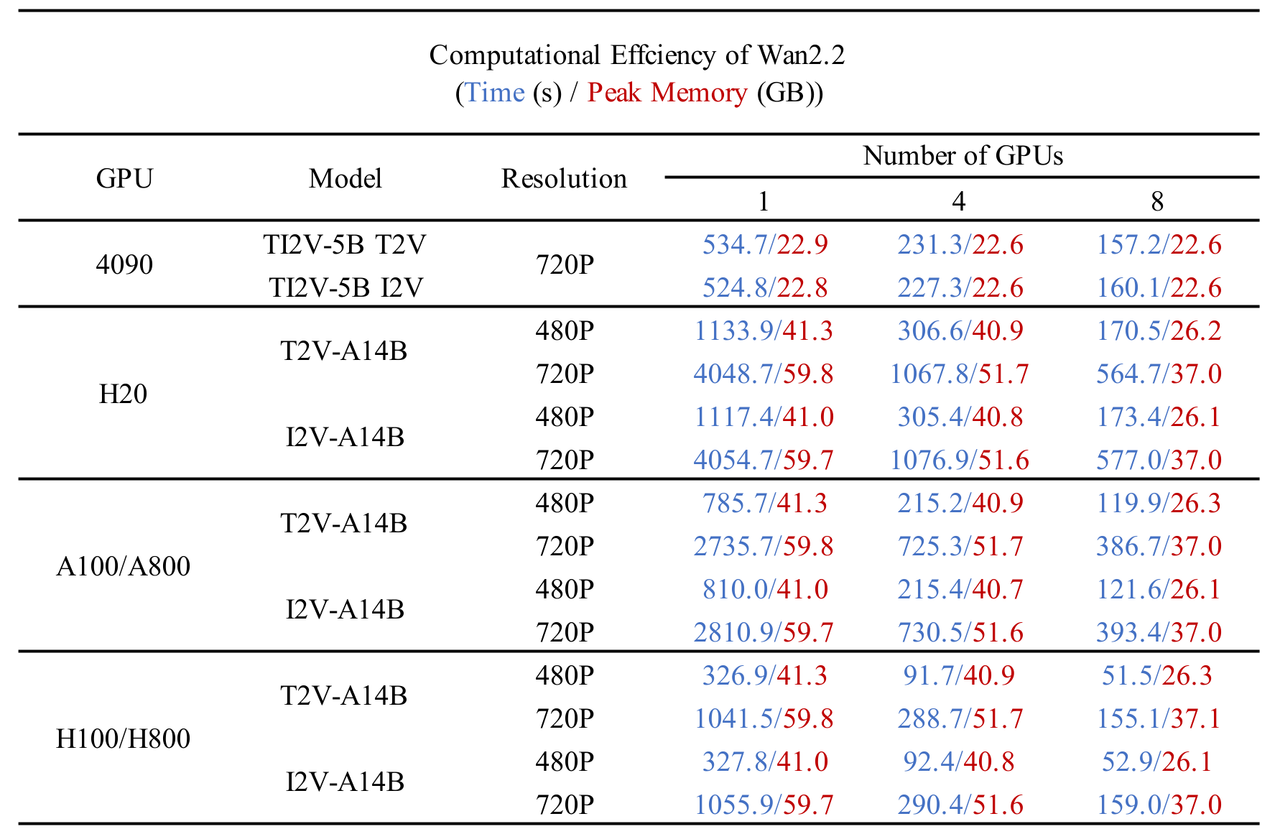
You will need access to high-end GPUs to run Wan2.2 effectively. Because it is built on advanced large-scale models, demanding hardware requirements are necessary for high-resolution and lengthy video outputs, which may make it inaccessible for hobbyists without dedicated hardware.
A free, self-hosted AI studio with 200+ unfiltered

Objective, community-driven leaderboard for text-t

Optimize and secure AI coding agents with this ope

Generate highly realistic AI images from text with